
For more than 175 years, Emily Brontë’s Wuthering Heights has been a novel that refuses to be tamed.
It has been read both as a great love story and as a tale of destructive obsession, of revenge, class hatred and inherited violence. That is precisely why it has also been a nightmare to adapt for the screen: how do you translate a book that is equal parts passion and brutality, equal parts poetry and rawness?
With her new film version, director Emerald Fennell attempts her own interpretation of Brontë’s classic. The result is visually lavish and emotionally charged, but also strikingly cautious.

A novel that has always been “too much”
When Wuthering Heights was published in 1847, it was seen as too violent, too amoral and too strange. It lacked a clear moral compass and depicted a relationship in which love and hatred are impossible to tell apart. Heathcliff and Catherine are not heroes; they are people shaped by abuse, exclusion and pride.
The book is told through several layers of unreliable narrators, jumps back and forth in time and lets revenge and love be passed on to the next generation. It is a story that refuses to give the reader easy answers: is this romance, or is it simply destruction disguised as passion?Fennell’s film puts great emphasis on the romantic. The moors are majestic, the music heavy with emotion, and the relationship between Catherine and Heathcliff is portrayed as fated and intense. The tagline “the greatest love story of all time” echoes throughout the marketing.
The problem is that the film largely tones down what is uncomfortable. Heathcliff’s cruelty, especially as an adult, gets less room than in the novel. Where the book insists that love can also be destructive and toxic, the film seems more interested in making the relationship understandable – almost forgivable.
As a result, the story loses some of its power. In the novel, Heathcliff is both victim and executioner, both loved and feared. In the film, he becomes first and foremost a tragic hero.
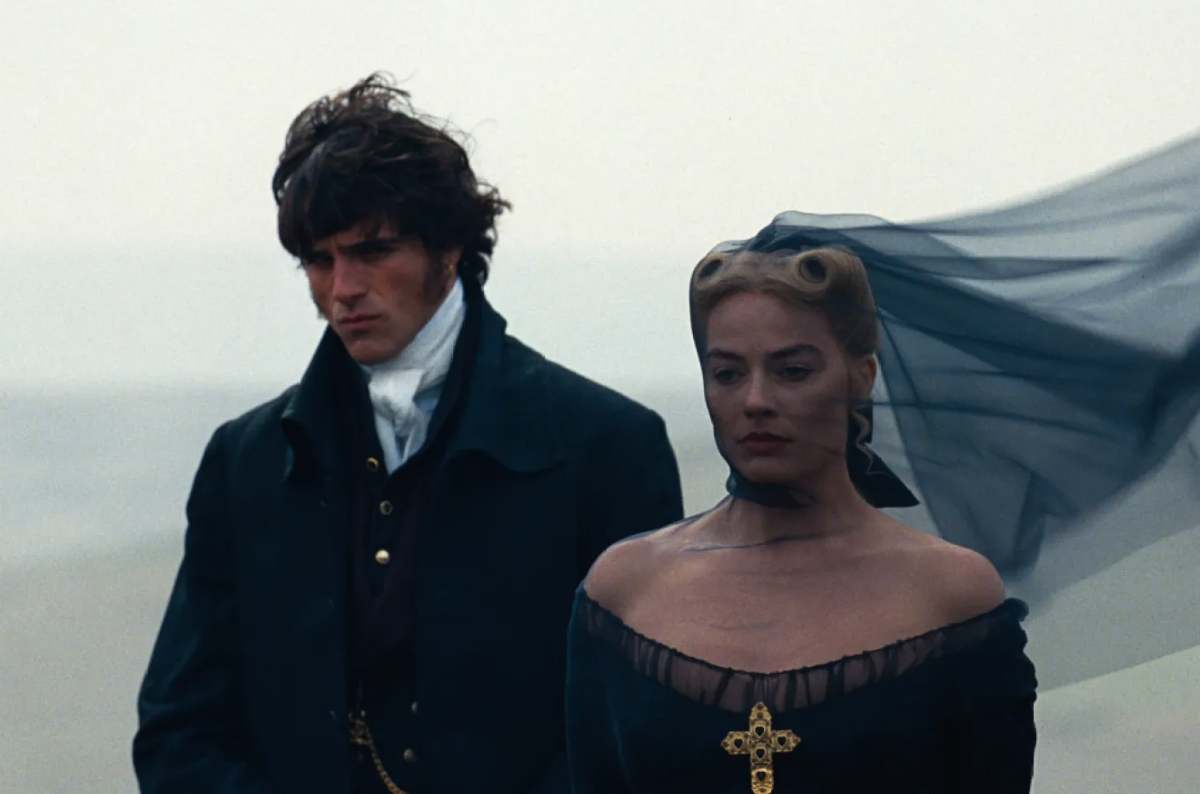
Revenge without consequences
In Brontë’s book, love develops into revenge. Heathcliff systematically destroys the lives of those who have wronged him, and uses their children as tools in his reckoning. This generational cycle of abuse is the very engine of the novel.
The film touches on this, but hurries on. It spends more time on the beginning – the childhood, the falling in love and the loss – than on the consequences. This makes the story more linear and easier to consume, but also less challenging.
It is as if the film wants to be both a romantic drama and a dark tragedy, without quite daring to be either one fully.
An aesthetic interpretation
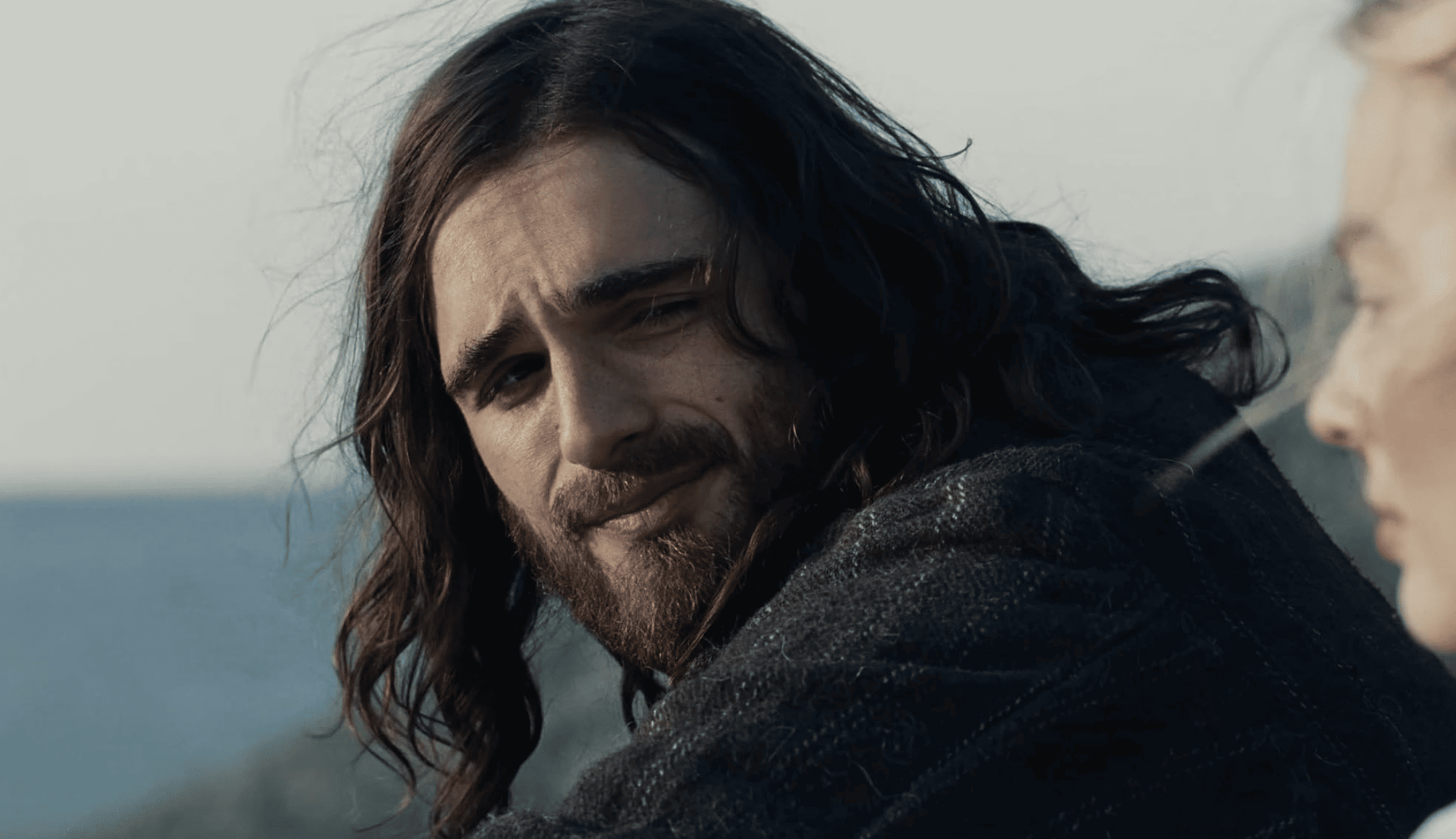
At the same time, the film succeeds in many ways where the novel’s intensity can feel overwhelming. Fennell creates an impressive visual universe with dramatic moors, atmospheric sets and contrasting light and shadow that underline the characters’ inner lives. Margot Robbie and Jacob Elordi give strong performances, managing to balance the heartfelt, the intense and the exaggerated without it feeling like caricature. The music, camerawork and rhythm of the film draw the audience into the destructive romance, while the film conveys passion, longing and tragic emotion in a moving way. This makes Wuthering Heights a beautiful and engaging film experience – but perhaps especially for those who don’t already know the novel.
The film succeeds in atmosphere. Fennell creates a world that is physically and emotionally closed: wind, rain, stone and dark rooms mirror the characters’ inner lives. The dialogue borrows a great deal of the novel’s poetry, and some scenes, particularly between the young protagonists, have a raw intensity that works well.
Still, you miss the novel’s irony and complexity. The book also has dark humour, gossip, pettiness and narrators who don’t quite know the truth themselves. The film treats the material more solemnly, and loses some of the human chaos that makes the novel come alive.
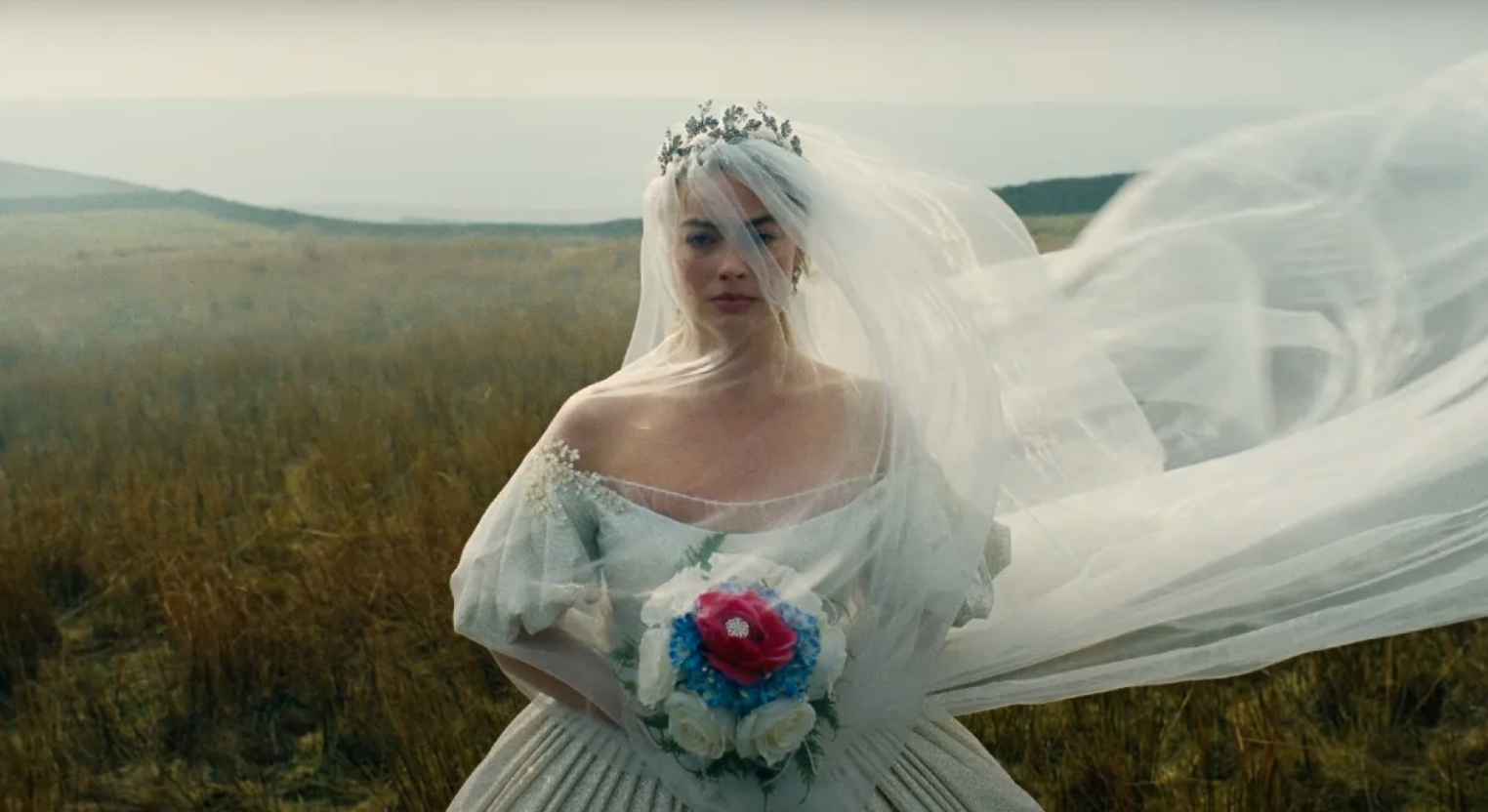
A story that will not be tamed
Wuthering Heights has always been an uncomfortable book. It is not about healthy love, but about a love that transgresses the boundaries of morality, society and self-preservation.
Fennell’s film clearly wants to make the story accessible to a new audience. But in trying to make it understandable, it also makes it milder. What is violent and disturbing in the book becomes passionate melodrama here.
This is a beautiful, well-acted and emotionally charged film, but not a fully convincing re-creation of Brontë’s novel. Where the book still feels strange and uncomfortable almost 180 years after it was written, the film feels more like a modern costume drama with gothic trimmings.
Perhaps that is exactly the problem: Wuthering Heights cannot be translated to film without losing some of its wildness. It is about a love that cannot live among people, only on the moors, among ghosts and memories. And perhaps that is why the novel is still stronger than all of its adaptations.
Verdict
Wuthering Heights is a visually strong and emotionally charged film, with good performances and a clear artistic vision. At the same time, it lacks some of the rawness and unease that make Emily Brontë’s novel so special. Where the book challenges the reader with the dark sides of love and revenge, the film more often chooses the safer, more romantic path.
Should you see it? Yes – if you like gothic dramas, beautiful costume films and intense love stories. But if you’re expecting a faithful and uncomfortably powerful adaptation of the novel, you may be disappointed. This is more an atmospheric interpretation than a full re-creation of Wuthering Heights.
Rating: 3 out of 6.
