

Forget the days when we bragged about how little we’d slept. Now we’d rather optimise our night’s sleep. “Sleepmaxxing” has become one of the year’s big wellness trends. But what does it actually involve?
“Beauty sleep” may not be a new concept. In 2026, however, it has taken on a whole new meaning. On social media, sleepmaxxing has well and truly taken over the wellness universe. And the goal is simple: to get the most out of the hours we spend in bed.
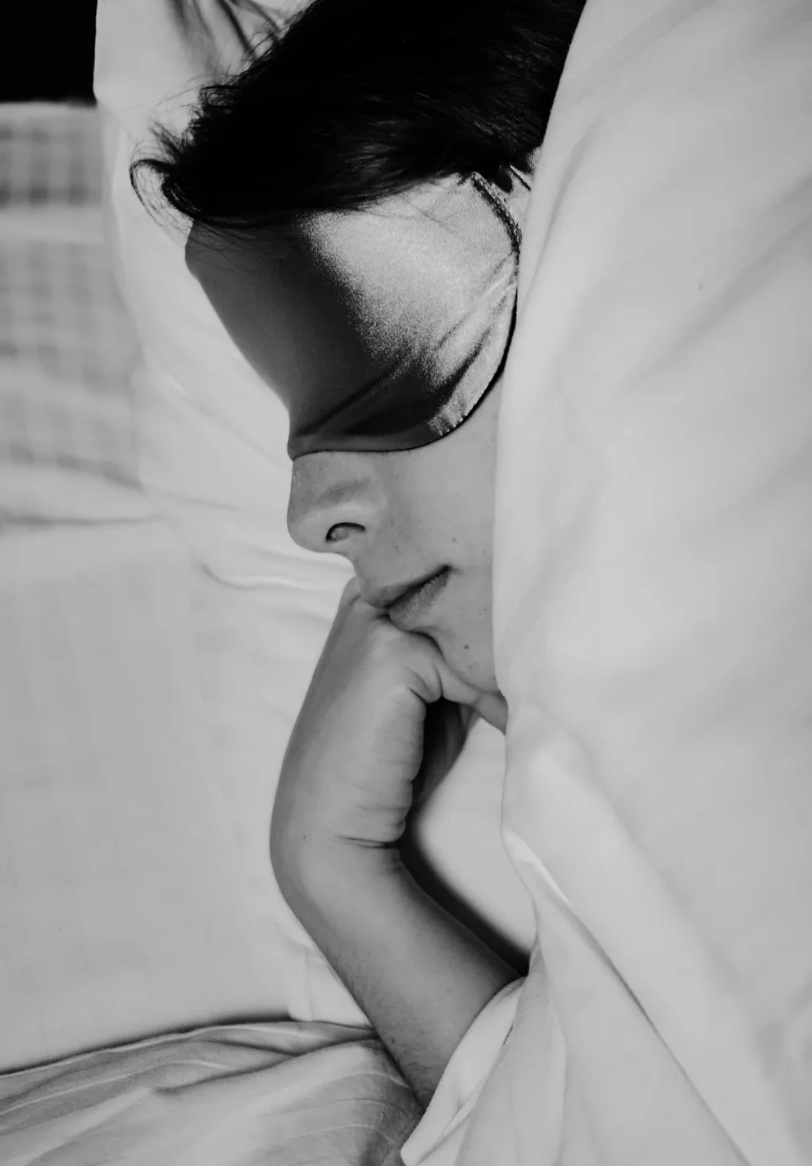
For some, that means fixed bedtimes and a dark, cool bedroom. Others swear by sleep masks, silk pillowcases, magnesium, sleep trackers and red light masks.
In other words, sleep is no longer just something we do. Now we’re supposed to optimise it.
Sleep has become the new self-care routineIt’s no wonder we’ve become so preoccupied with sleep. It’s only natural, given how much of our lives we spend sleeping. But also because in recent years we’ve been tracking steps, protein intake, workouts and screen time. Now it’s the turn of the hours we’re actually not awake.
And the beauty industry is, of course, following suit.
Night masks, overnight treatments and leave-in hair products fit perfectly into the sleepmaxxing universe. So do silk pillowcases and products designed to work while we sleep.
No night cream can replace a good night’s sleep. Still, the term “beauty sleep” has survived for a reason. Most of us recognise our reflection after a far-too-short night. The eyes look more tired, and the skin may be missing that longed-for glow.
Naturally, TikTok wants to maximise it
As with most wellness trends, TikTok has taken a fairly simple concept and turned it up a few notches.
Sleepmaxxing enthusiasts are testing everything from sleep trackers and “sleepy girl mocktails” to magnesium and light therapy lamps. Kiwi before bedtime, special temperature regimes and mouth taping have also received a lot of attention.
The problem? Not all the hacks are equally well documented.

Sleep experts still return to the less glamorous advice. Go to bed and get up at roughly the same time every day. Keep the bedroom dark, quiet and relatively cool. Also think about how much caffeine and alcohol you consume late in the day.
It may not make for equally good TikTok content, but this advice is far better documented.
Can we become too obsessed with sleeping perfectly?
There is, of course, also a downside to the trend.
We’ve already turned exercise, diet and skincare into areas where we’re constantly supposed to perform better. Now sleep risks ending up in the same category.
Sleep trackers can provide useful information. But what happens when your first thought of the day is about what “score” the night got? Sometimes I catch myself checking my watch before I can answer the question at home of whether I slept well.
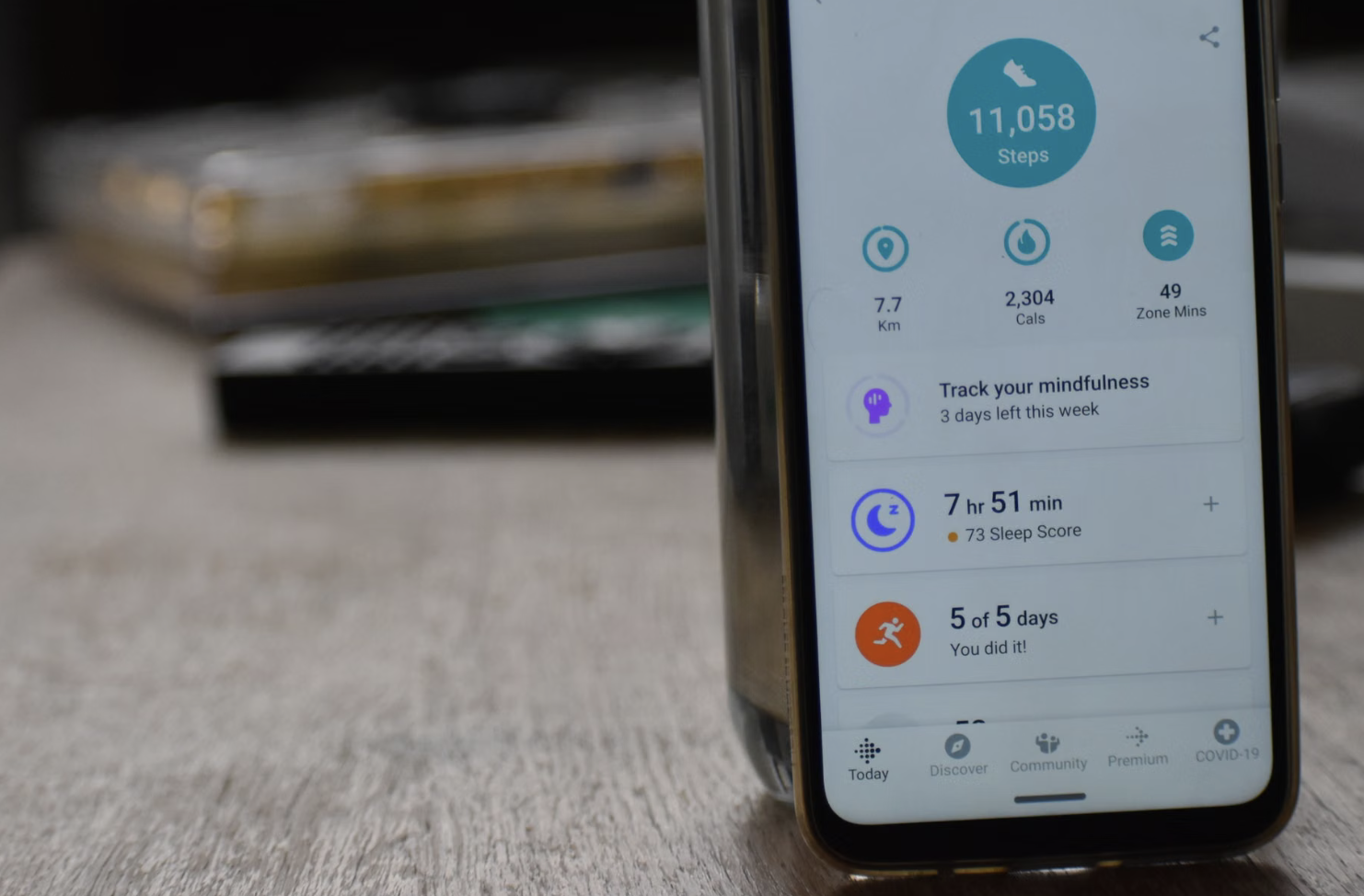
The hunt for perfect sleep can quickly create yet another thing to stress about. And perhaps this is exactly where the most interesting thing about sleepmaxxing lies. Behind the products, the hacks and the TikTok videos lies a fairly simple message: we’ve started taking sleep more seriously.
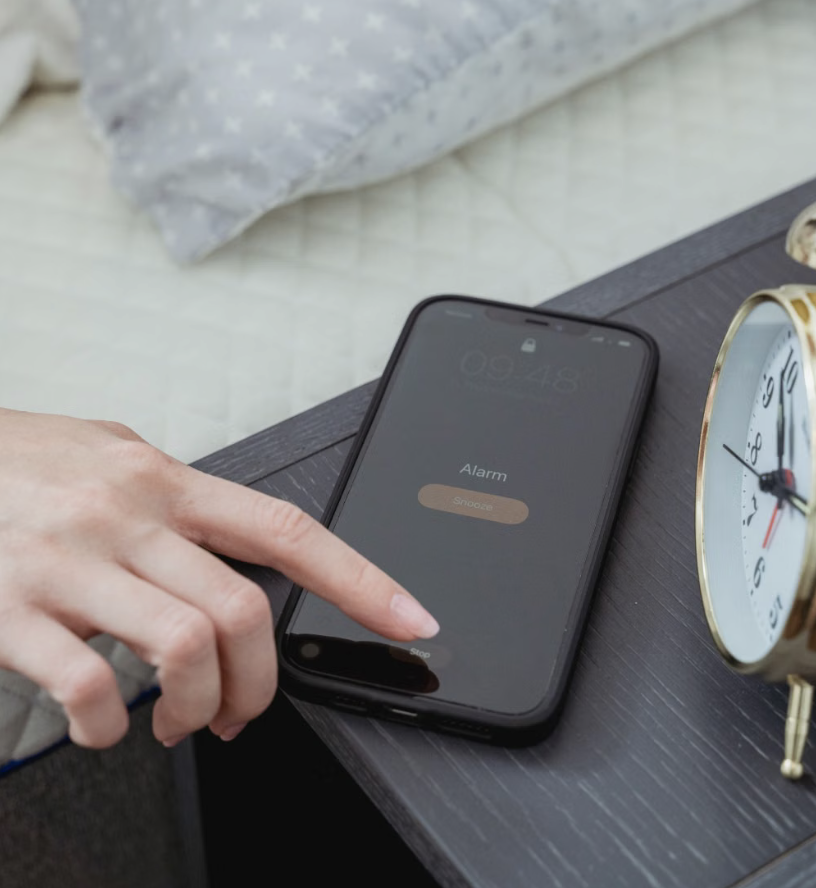
Do you need mouth tape, three different supplements and an advanced sleep tracker? Well, hardly. A regular evening routine, a dark bedroom and your phone a little further from the pillow, on the other hand, might be a pretty good place to start!